
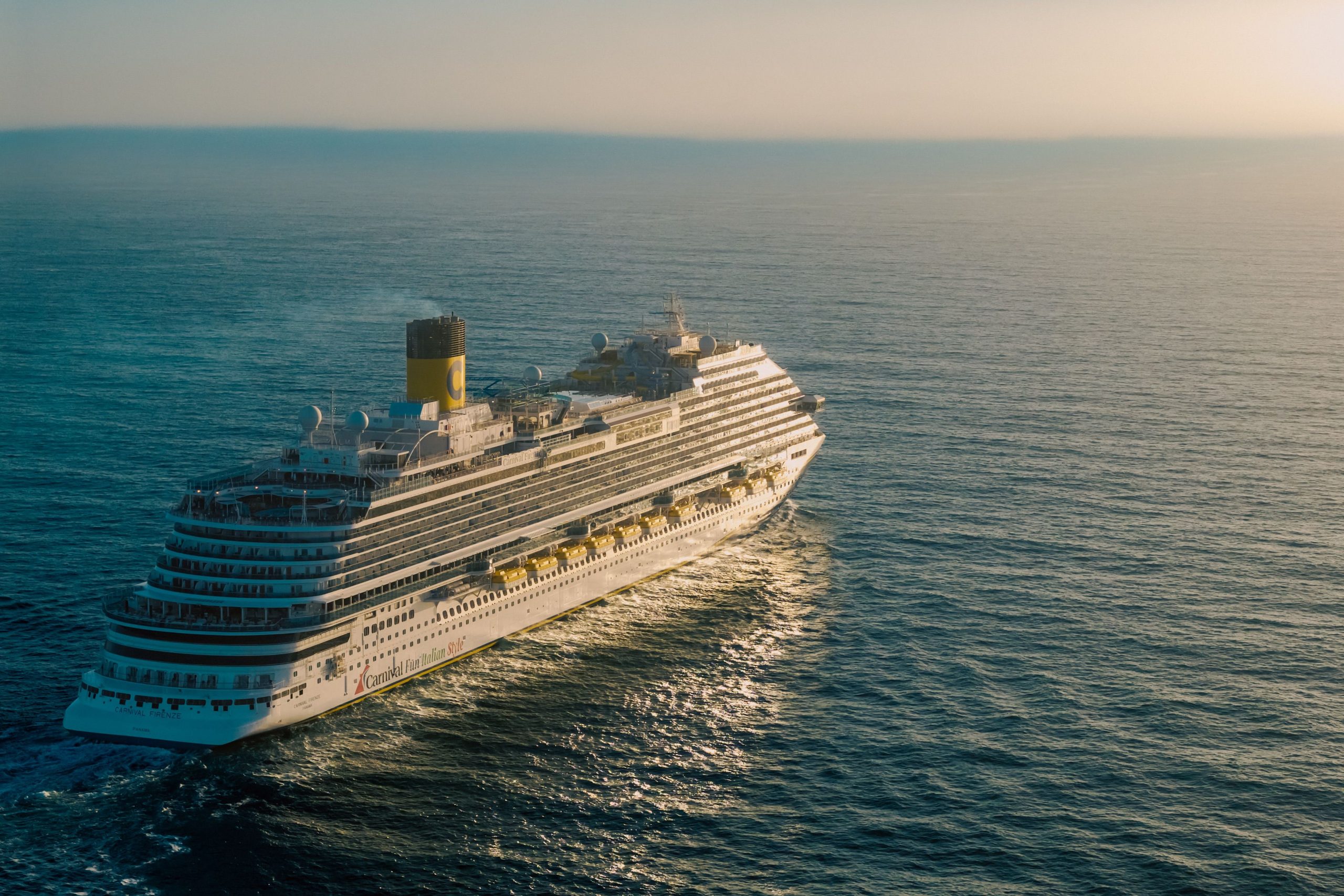
Fall has quietly become the smartest window on the cruise calendar. It has also become the one most likely to be oversold to you, with a brochure full of peak foliage and a price tag to match.
Most of the world really is better in September, October and November: thinner crowds, softer fares, weather that beats July. A few places flip that logic entirely, because the season is the product and the ships know it. Fall 2026 lines up unusually well for the first group.
Demand is the backdrop. The 2026 State of the Cruise Industry report from Cruise Lines International Association, released in April, put 2025 at a record 37.3 million ocean cruise passengers, up 7.7 percent on 2024, with about nine in ten saying they intend to sail again. The industry forecast heads toward 42 million by 2029. A lot of those people are circling the same autumn weeks.
So here is the position I would defend before any deposit. Fall 2026 is a strong season to book, but only if you aim at the right water. Late Alaska, repositioning sailings and the southern Caribbean carry real value. New England and Canada is the priciest per night on this list, and still worth doing once. Where the money should go, and when, is below.
Fall 2026 at a glance
Two things matter more than any brochure: the season is long, and the pricing is not uniform. Here is where each option sits before the detail.
| Destination | 2026 sweet spot | What you are paying for | Honest value read |
|---|---|---|---|
| New England and Atlantic Canada | Late September to mid October | Peak foliage in the shortest season | Premium; worth doing once |
| Mediterranean | Mid September to late October | Empty historic ports and warm sea | Best all-round shoulder value |
| Norwegian coast and fjords | September to November | Fjord foliage, then the first aurora | Strong for aurora chasers |
| Alaska (late season) | Late August to mid September | Glaciers at roughly half price | Best pure value on the list |
| Japan | October north, November south | Koyo season in the classic cities | Strong, but long-haul airfare bites |
| Southern Caribbean (ABC islands) | November | Warm water outside the storm belt | Good, and low risk late in the season |
| Pacific Coast and British Columbia | September to October | A repositioning ship heading south | Strong per-night value |
Sources: CLIA 2026 State of the Cruise Industry report (April 2026); Cruise Critic; Holland America and Princess 2026 deployment pages; NOAA and Colorado State University 2026 Atlantic outlooks; 2026 foliage forecasts cited below. Timing windows reflect recent seasonal patterns, not guarantees.
1. New England and Atlantic Canada: the foliage run
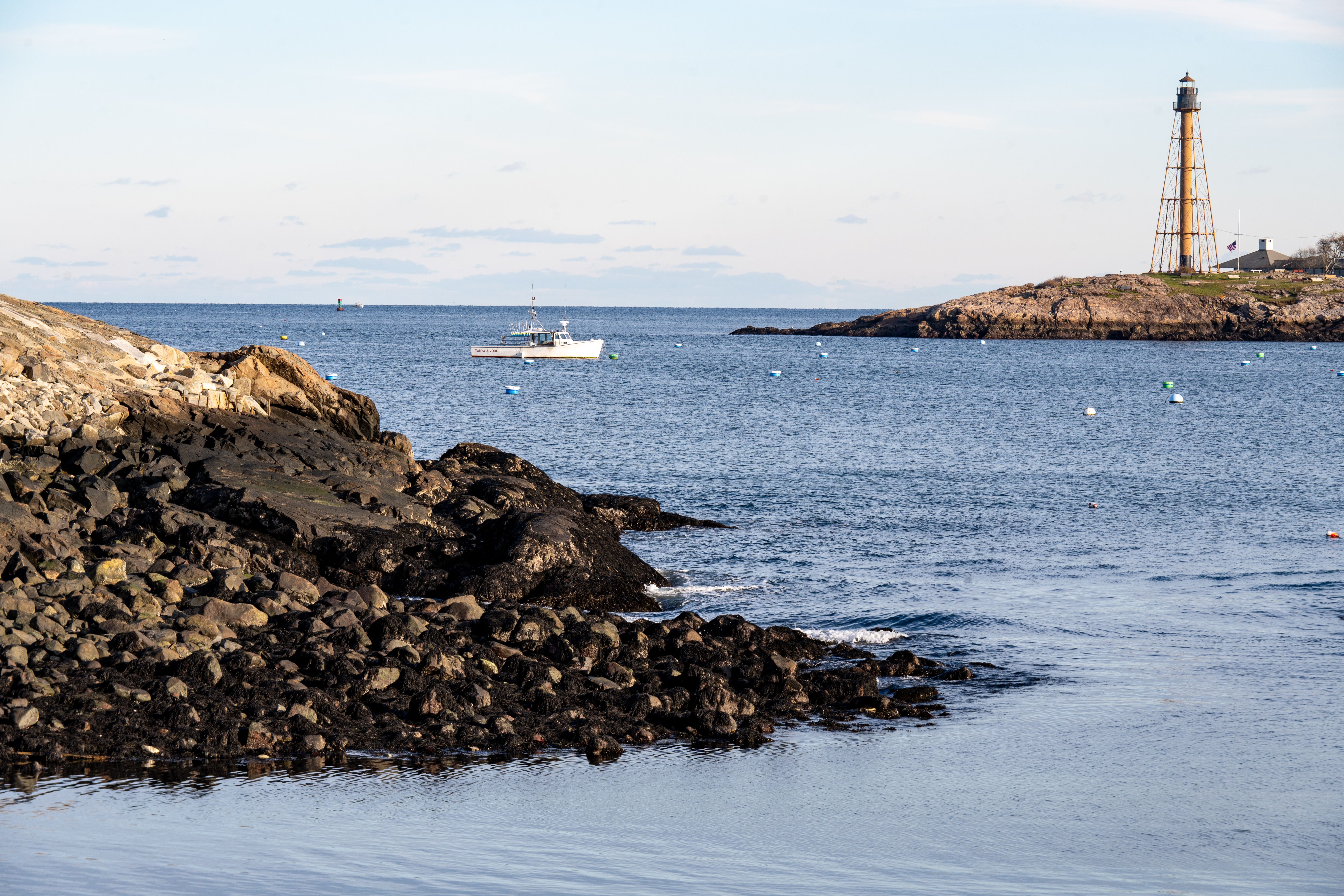
This is the itinerary people picture when they hear “fall cruise,” and the image earns it. Ships leave Boston, New York or Montreal and call at Bar Harbor, Portland, Halifax, Saint John and ports along the Gulf of Saint Lawrence, with the river itself as scenic cruising.
Holland America runs its 2026 Canada and New England season from April to October on Zuiderdam and Volendam, with 18 itineraries between seven and 28 days. Princess works seven to 13 night runs linking New York, Boston and Quebec City. If you want the long version, Windstar’s Star Collector sailing covers 25 days from Boston to Montreal starting September 14, 2026, and Ponant has a 12-night Quebec City to Boston run in late September that adds the red cliffs of the Magdalen Islands.
Timing is the whole game. The color front moves south, so the last week of September belongs to Cape Breton and the St Lawrence, the first week of October to Bar Harbor and coastal Maine, and mid to late October to Newport and Boston. It shifts by seven to 10 days year to year depending on temperature and rain, which is why any operator promising a guaranteed peak is selling something it cannot control. Book a sailing that puts you in Atlantic Canada in late September and Maine in early October, and you have stacked the odds.
“September, October, November are probably the best,” travel advisor Mary Walsh told USA Today in a September 2026 piece on leaf-peeping by ship.
One caution, and it is the expensive kind. Fall is the product here, so this is not a discount itinerary. If the goal is a cheap cruise, you are in the wrong region. If the goal is the best version of this particular scenery, you are in the right one.
2. The Mediterranean: the shoulder season working exactly as advertised
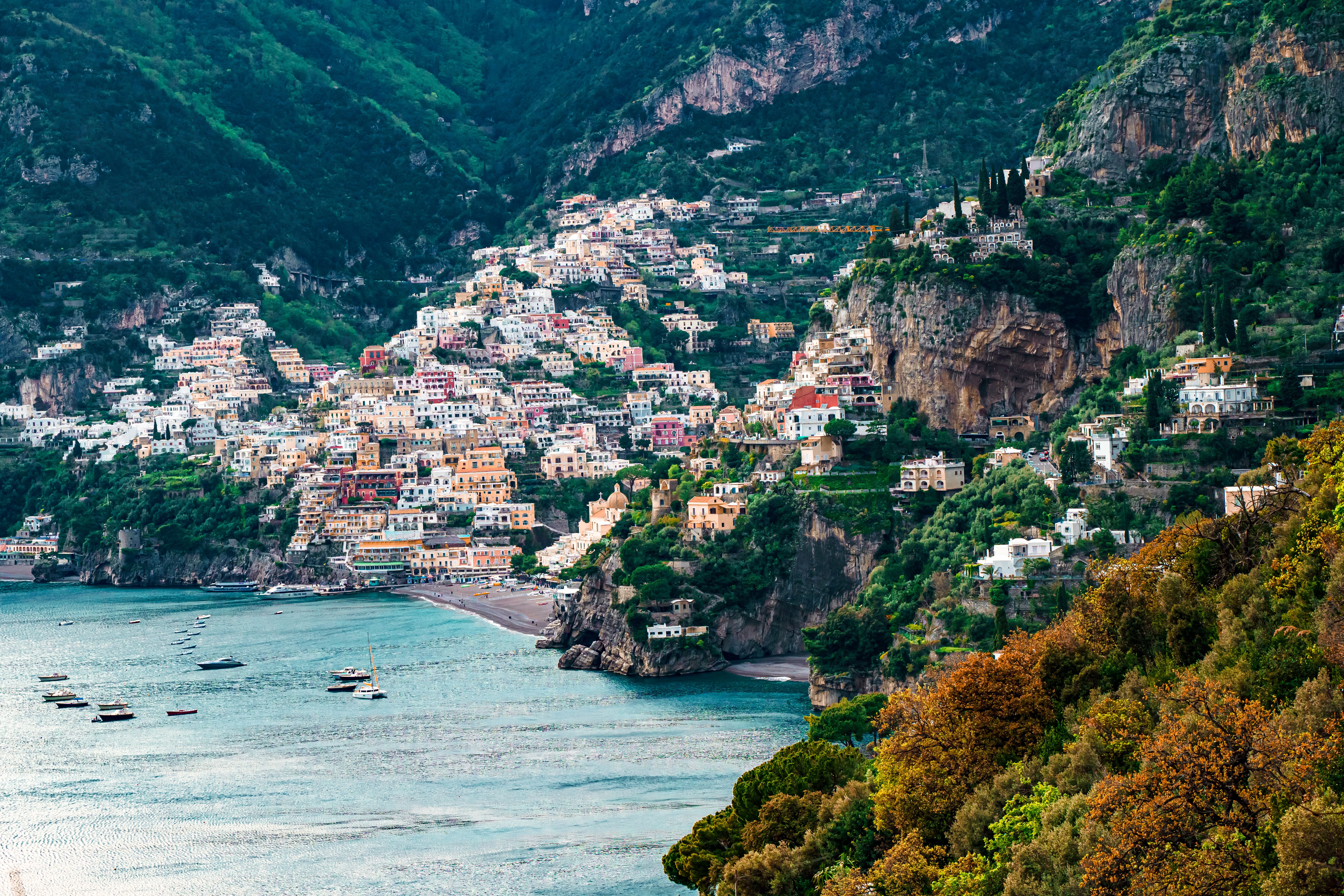
The Med in fall fixes almost everything that makes July miserable. Daytime highs settle between 65F and 78F, sea temperatures hold near 75F to 78F in early autumn, and the crowds thin sharply once European school holidays end in late August. Rome in September runs around 79F instead of the 95F that turns the Colosseum queue into an ordeal. Athens stays comfortable later, and the eastern basin, meaning Greece, Croatia and Turkey, holds warm, dry days deep into October.
The trade-off is rain, and it arrives at different times in different places. Early October is generally kind across Greece and southern Italy. By late October, Barcelona, Marseille and the French Riviera get wetter, with the eastern basin following. If one of those ports anchors your trip, aim for the first half of the month.
Fares land below July and August peaks but rarely crater, so the real saving is in crowds and land costs rather than the ticket. Independent guides and restaurants get noticeably more flexible when the summer pressure is off. My read is that late September is the single best all-round week in the Mediterranean: warm sea, low crowds, and almost no rain yet.
3. The Norwegian coast and fjords: foliage, then the aurora
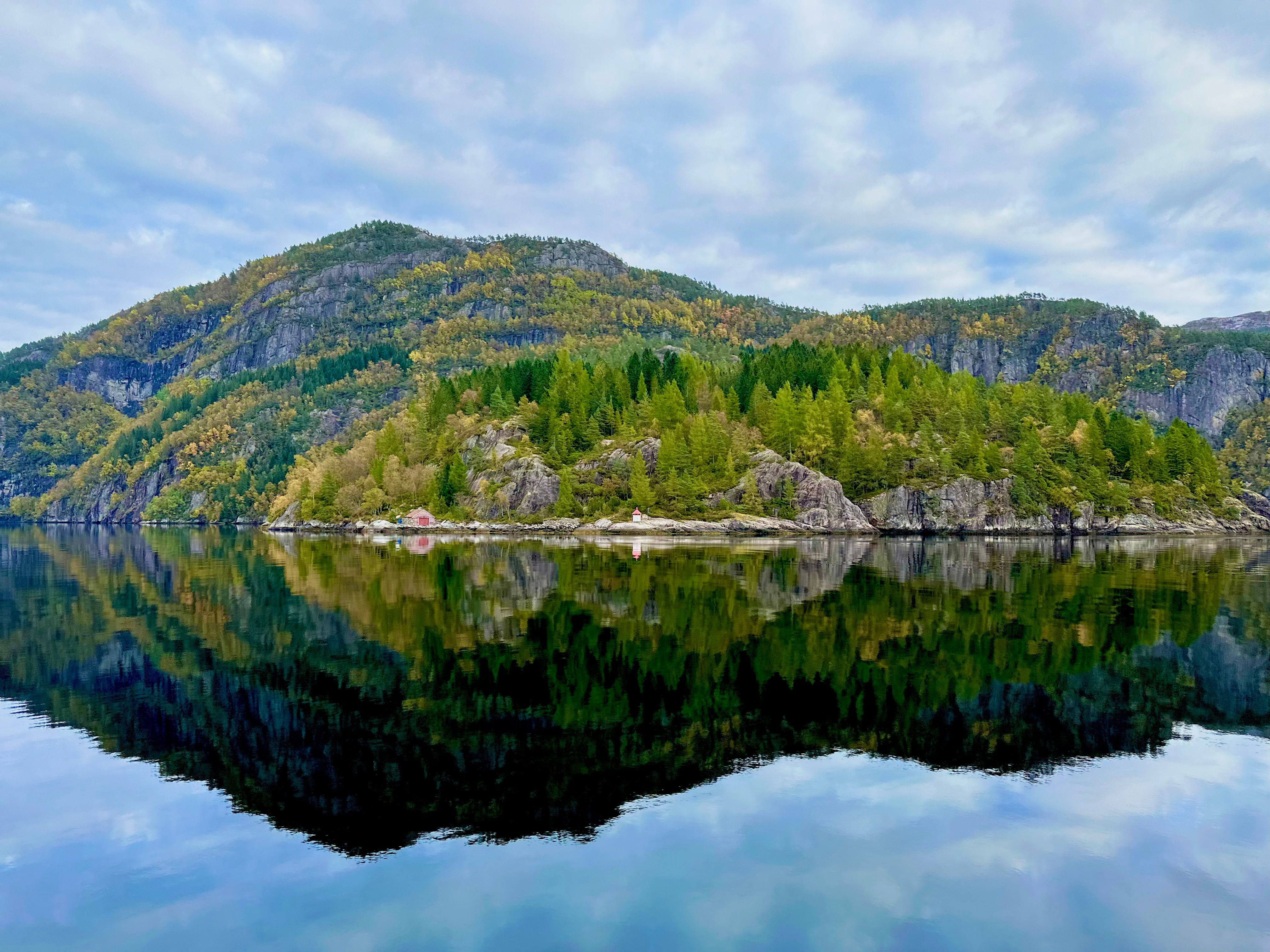
Norway in autumn is two seasons stacked on top of each other. The hillsides turn red and gold against deep blue water, then the nights darken enough for the northern lights to return. Havila and Hurtigruten both begin their aurora season around mid-September, and Havila’s Northern Lights Promise starts in October: if the lights do not show on a round voyage, you get a shorter voyage free.
On the northbound coastal route, ships make a detour into Hjørundfjord through September and October, and slip into the narrow Trollfjord when conditions allow. Ports run from Bergen to Kirkenes, and coastal temperatures sit between roughly 1C and 9C. The crowd story is the draw here. Autumn is quiet, and the fjord sailings feel emptier than their summer versions without surrendering the scenery.
Most of these departures start in the UK or Scandinavia, and plenty of travelers now build in a night on land first. London gets the attention, but northern England is the calmer add-on, which is why people planning that leg often look up Leeds escorts to arrange an evening before they head for the coast.
4. Late-season Alaska: the best value on this list
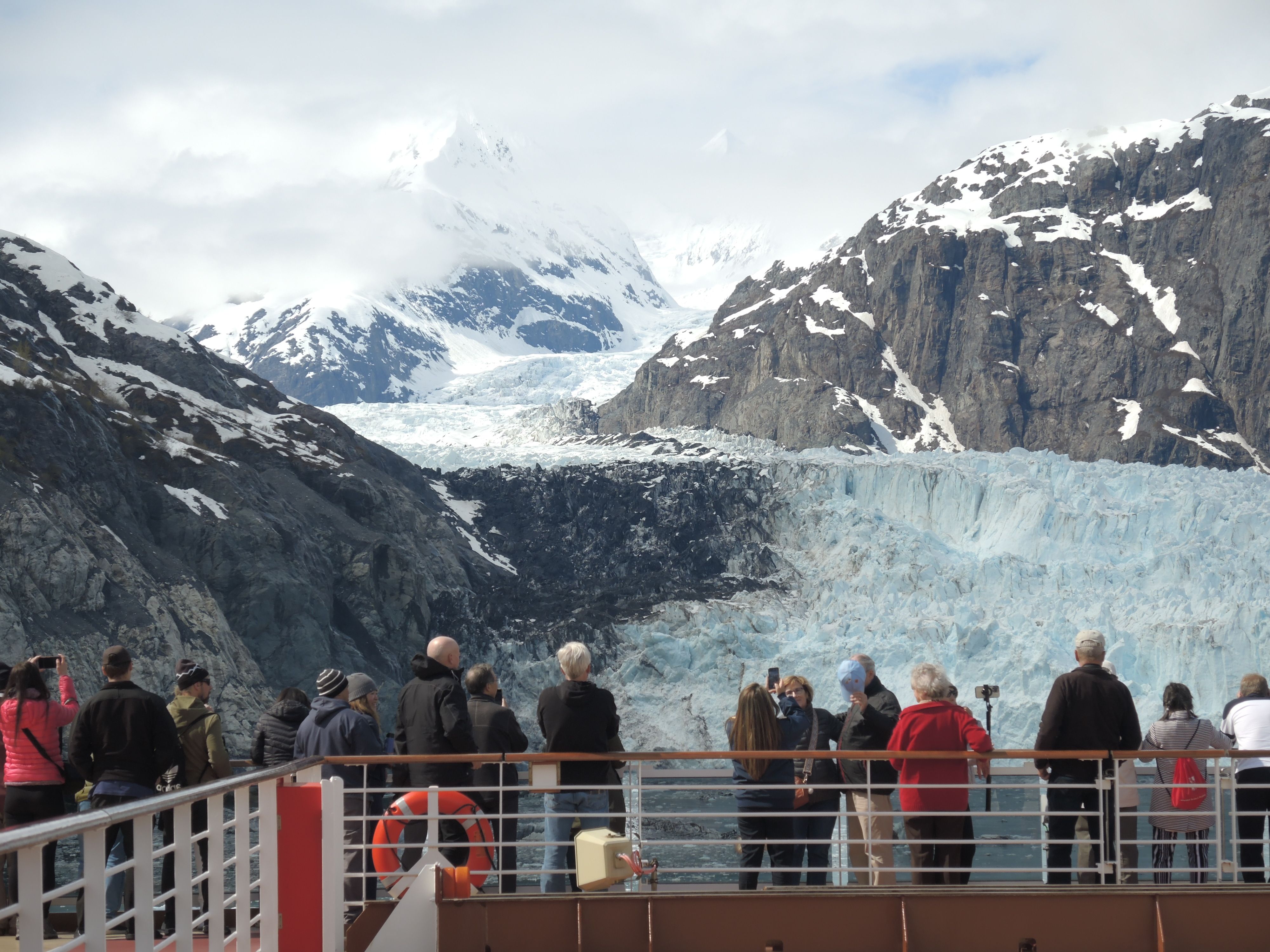
The Alaska season ends in September, and the final sailings are the bargains. Cruise Critic has reported late-season Alaska fares running close to half off peak summer pricing, and the pattern holds in 2026. Holland America famously keeps more September departures than Norwegian, Royal Caribbean or Princess, which often leave only one or two sailings in the first half of the month.
The glacier viewing does not change. What changes is the weather, which turns colder and wetter, and the wildlife, which turns interesting: bears are fattening up on late berries, and the first snow dusts the peaks. On a clear night, the aurora can appear.
I would take this trade every time. You pay roughly half for the same scenery and a fraction of the company. Pack real waterproof layers, expect a missed port or two, and understand that the bear viewing can actually be better than in July.
5. Japan: the foliage front runs the other way

Japan’s autumn color moves north to south, the reverse of the cherry blossom front, which means a cruise that calls at several latitudes can catch the season in stages. The Japan Meteorological Corporation’s September 2 forecast has yellow ginkgo peaking around November 6 in Sapporo and Aomori, November 26 in Tokyo, and November 27 in Kyoto. Red maple runs later, around November 29 in Tokyo and December 11 in Kyoto. The 2026 dates skew a few days late after a hot summer, which matters if you are booking the last week of November.
| City | Yellow foliage (ginkgo) | Red foliage (maple) |
|---|---|---|
| Sapporo | November 6 | November 7 |
| Aomori | November 6 | November 13 |
| Tokyo | November 26 | November 29 |
| Kyoto | November 27 | December 11 |
| Osaka | November 24 | December 4 |
Source: Japan Meteorological Corporation autumn foliage forecast, September 2, 2026.
For a cruise, a November sailing lines up almost perfectly with the classic cities. Princess’ Diamond Princess departs Yokohama on November 11, 2026 for an 11-night circle of Japan calling at Aomori, Sakata, Kanazawa, Sakaiminato, Busan in South Korea, Nagasaki, Kagoshima, Beppu, Kochi, Osaka and Shimizu, with Kyoto reachable from Osaka. A 28-night version continues on to Taipei, Hong Kong, Bangkok, Ho Chi Minh City and Singapore.
Caveat: long-haul airfare can outweigh the fare savings, so price the cruise and the flights together. November is also domestic travel season in Japan, so Kyoto and Tokyo temples are busy on weekends.
For travelers who route to the region through India, Hyderabad has become a common stopover, and the city’s night scene, including Hyderabad escorts, is why some people add a night on the way.
6. The southern Caribbean: the hurricane-window exception
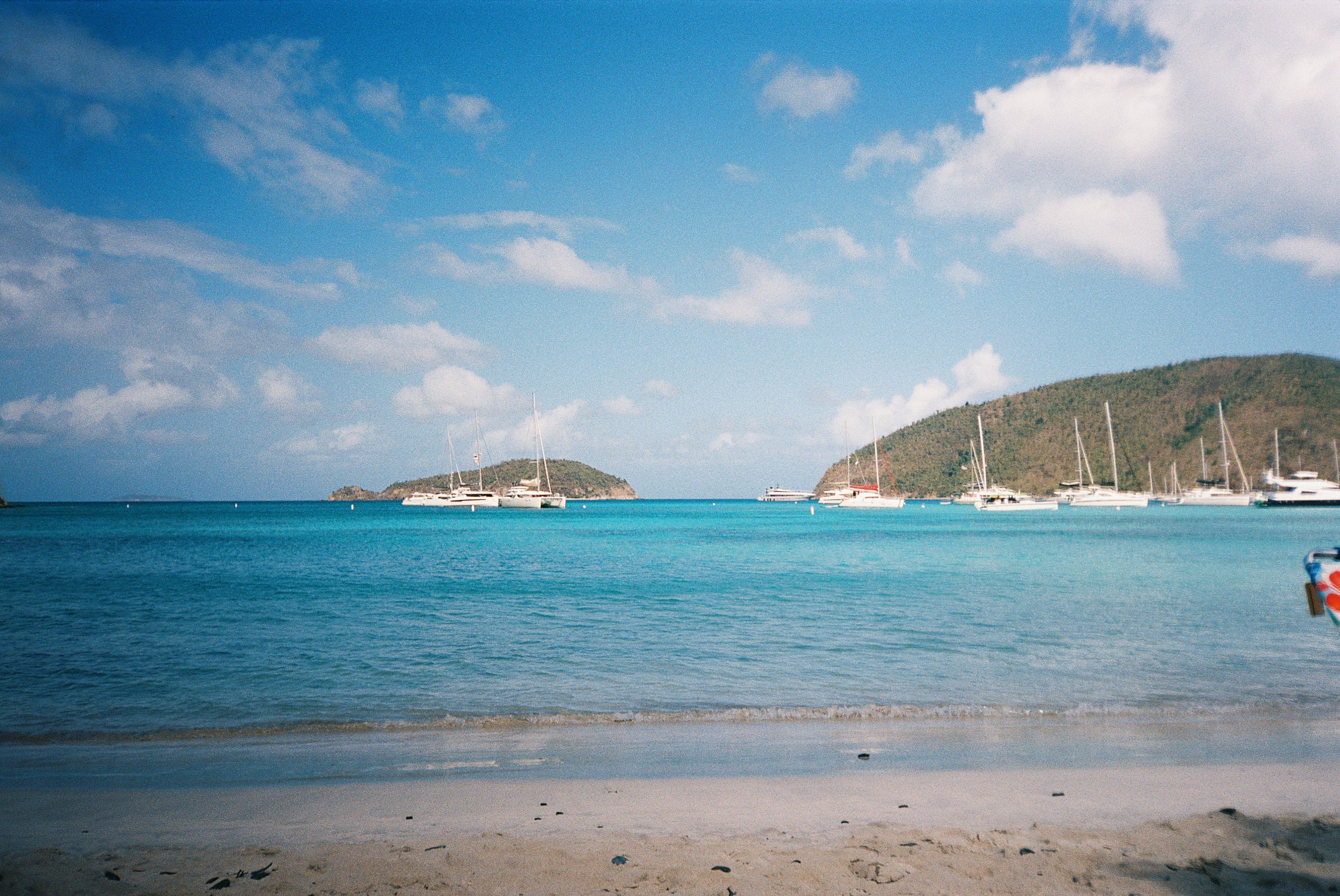
The Atlantic hurricane season runs June 1 to November 30, with the statistical peak from mid-August to mid-October. The 2026 forecasts are unusually kind. Colorado State University’s April outlook called for 13 named storms, six hurricanes and two major hurricanes, all below the 30-year average, and NOAA’s May outlook gave a 55 percent chance of a below-normal season. Better odds than most years, not a promise.
The smart move is geographic. The ABC islands, Aruba, Bonaire and Curaçao, sit below the main storm track and have never taken a direct hit from a major hurricane in recorded history, according to AARP’s fall Caribbean guide. Barbados, Trinidad and Tobago carry similarly light records. Eastern Caribbean routes, by contrast, are first in line for Cape Verde storms.
November is the best of both worlds: storm risk drops to near zero while shoulder pricing and thin crowds still hold. If you are set on September, go south and buy cancel-for-any-reason insurance. That is not a hedge against a ruined trip so much as a hedge against a rearranged one.
7. Pacific Coast and British Columbia: follow the repositioning ships

Every autumn, cruise lines move ships south after the Alaska season, and those repositionings are among the cheapest per-night sailings on the calendar. Routes link Vancouver or Victoria with San Francisco, Los Angeles or San Diego, often with an Oregon or northern California stop, and temperatures land in the mid-60s to mid-70s. British Columbia’s forests are at their misty, gold peak, and the coast is drier than in some summer stretches.
The options are concrete. Coral Princess sails a 16-night Panama Canal run from Los Angeles to Fort Lauderdale departing September 29, 2026, and a 22-night Vancouver to Fort Lauderdale version departs September 23 from $2,029 per person. Cunard’s Queen Elizabeth closes out its Alaska season with a 28-night Seattle to Miami voyage that includes a week in Alaska before heading south through the canal.
The catch is logistics. Repositioning cruises are usually one-way, so you pay a one-way airfare, and you get long sea days instead of a packed port list. If you like the ship more than the shore, this is your itinerary. If you need a new town every morning, take a round-trip Canada and New England run instead.
Two things the brochures leave out
Fall is not automatically cheap
The word “shoulder season” gets applied to all of autumn, and it is misleading. New England and Canada is peak-priced because the foliage is the attraction. Transatlantic repositionings and late Alaska are where the discounts live, sometimes 30 to 45 percent below July. So decide what you are buying before you compare prices: scenery that happens to be cheaper, or a genuine deal that happens to be scenic.
The calendar flips in the southern hemisphere
If you are willing to cross the equator, the whole equation inverts. October in Sydney is mid-spring, not autumn, and the city is a major turnaround for South Pacific and New Zealand sailings. Travelers who build in pre-cruise nights there treat the harbour as part of the trip, and directories such as Sydney escorts are how a lot of them plan the evenings. It is not a fall cruise in the northern sense, but it is a strong alternative when the leaves have already dropped.
Fall 2026 cruise questions, answered
When should I book a fall 2026 cruise? Six to 12 months ahead for Mediterranean and Japan itineraries, since cabin choice narrows fast. Short Bahamas and Caribbean runs can reward booking 30 to 60 days out, when lines discount unsold inventory.
What is the cheapest fall cruise route? Transatlantic and Pacific repositioning sailings carry the lowest per-night cost, because the ship has to make the crossing anyway. Late-season Alaska is the cheapest way to see a premium destination.
Is the Caribbean safe to cruise in the fall? The risk is real but uneven. November is far quieter than September or October, and the ABC islands sit below the main storm belt. Buy insurance and stay flexible on ports.
When is peak foliage for a New England cruise? Late September through mid October, moving from north to south. Atlantic Canada peaks first, Maine follows in early October, and southern New England closes the season.
What is the best month for autumn leaves in Japan? October in Hokkaido and the north, and November for Tokyo, Kyoto and Osaka. A November cruise lines up with the classic cities.
Do fall cruises have fewer crowds? Almost everywhere except New England and Canada, where the season is the draw and the ships are full.
What should I pack for a fall cruise? Layers, a waterproof shell, and warm shoes. Norway and late Alaska run cold, the Mediterranean and Caribbean stay warm, and a New England sailing can deliver both in one week.
How this was put together
I built the timing and pricing picture from the CLIA 2026 State of the Cruise Industry report, the Japan Meteorological Corporation’s September 2 foliage forecast, NOAA and Colorado State University 2026 hurricane outlooks, and current 2026 deployment pages from Holland America, Princess, Hurtigruten, Havila and Windstar, all checked in September 2026. Where sources disagreed, I said so in the text. Cruise fares move daily, so treat every price here as a snapshot rather than a quote, and recheck foliage forecasts in late September, when they firm up.