
Ask a teenager how they paid for their last in-game skin and they will probably shrug. The purchase took two taps and a thumbprint, and nobody thought twice about it. Behind that shrug sits a payments stack that has quietly become one of the most important parts of the games business. Payment technology now decides which players can buy, how quickly they can buy, and how much a studio keeps after the middlemen take their cut.
This article looks at where digital payments are changing gaming, where they still fall short, and why the checkout page has become a strategic problem rather than a back-office detail.
Why checkout friction is costing game makers money
Paysafe’s 2026 Experience Economy survey of 5,000 gamers across eight European markets found that 64% had abandoned a gaming purchase because of checkout issues. The most common reasons were an unavailable preferred payment method (26%), payment declines (25%), and too many checkout steps (23%). These are not edge cases. They are the everyday experience of someone trying to spend money on a game.
I think this is the most underrated number in the games business. Studios spend heavily to get a player to the buy button, then lose a meaningful share of them on a payment screen that was never designed for impulse spending. The same survey reports that 46% of gamers would spend more if checkout were faster or easier. That is a revenue lever sitting in plain sight.
Mobile wallets and the end of card-only checkout
Gaming has moved onto phones, and phone payments have followed. Paysafe found that 34% of gamers use mobile wallets such as Apple Pay and Google Pay for gaming purchases, and among players aged 18 to 24, more than a quarter name a mobile wallet as their primary method. Antom, a payment provider, reports that digital wallets now account for more than 53% of global transactions. That figure is worth checking against its methodology before you quote it, but it points in the same direction as the survey data.
Wallets also change how studios think about pricing. When a player can confirm a purchase with a fingerprint, a small bundle stops feeling like a decision. That is part of why the business keeps leaning toward frequent, low-value transactions. BCG’s Video Gaming Report 2026 estimates that mobile in-app purchases in 2025 will total almost $130 billion, roughly half of global industry revenue. The BCG report on the next era of gaming growth is a useful starting point if you want the wider market picture.
Crypto deposits and the players who want them
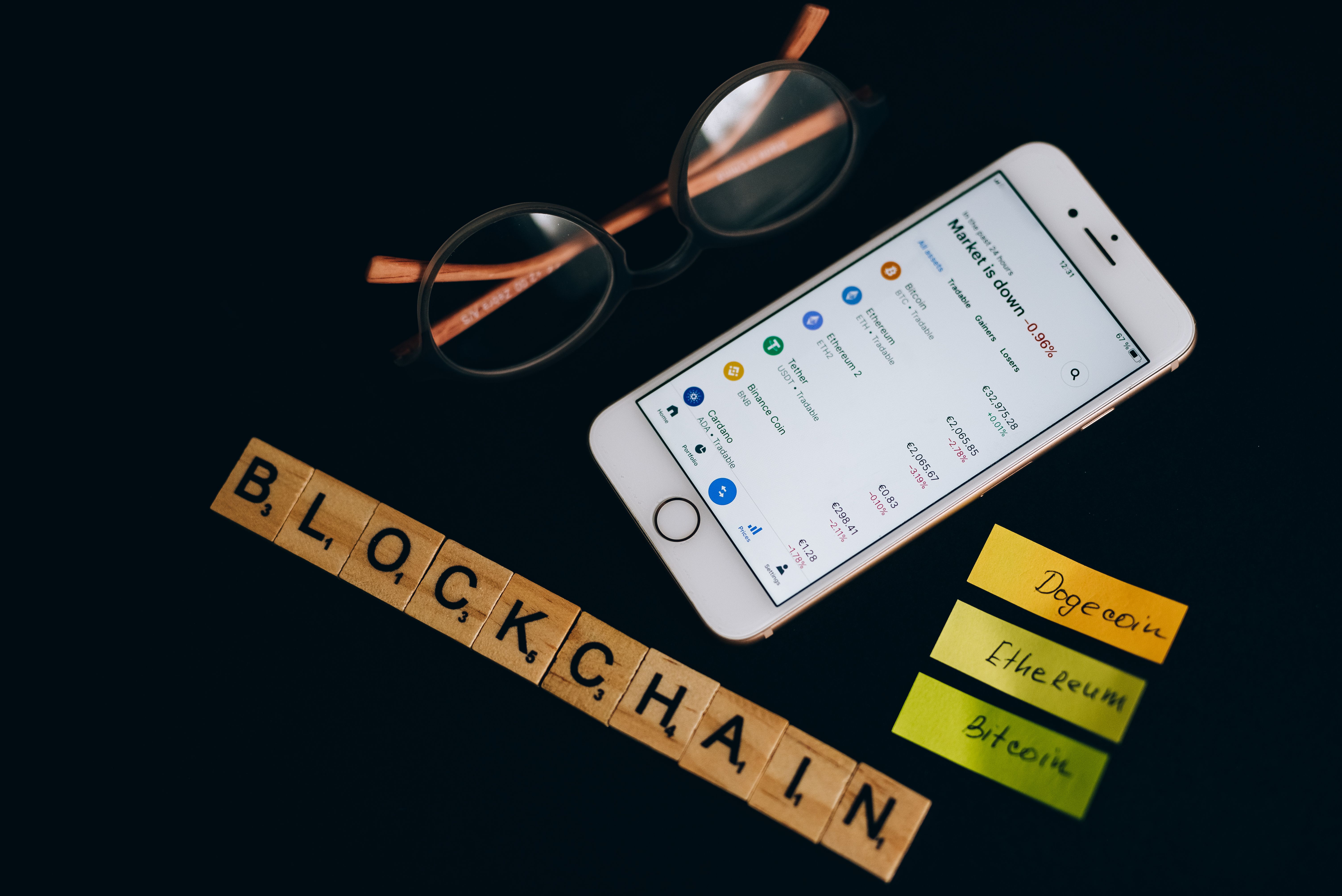
A smartphone showing crypto market data beside blockchain graphics.
Cryptocurrency is the most polarizing payment method in this space. Visa’s research on Latin America and the Caribbean found that gamers in the region are open to paying with crypto, especially in El Salvador, even though it is still a relatively new option. The same research shows why the appeal exists. Limited payment options were the top complaint, cited by 47% of gamers, 44% were put off by hidden or unexpected fees, and some had to go through 20 or more steps to buy in or cash out in-game currency.
Crypto is not a magic fix. Price volatility, wallet setup and regulatory uncertainty all work against it. But for players who are unbanked or already hold digital assets, it removes a gatekeeper. If you want a practical look at how crypto deposits work on gambling platforms, the Casinous banking guide on cryptocurrency covers the mechanics in detail, and you can learn more here.
Carrier billing and contactless payments for players without cards

A contactless card tap at a payment terminal.
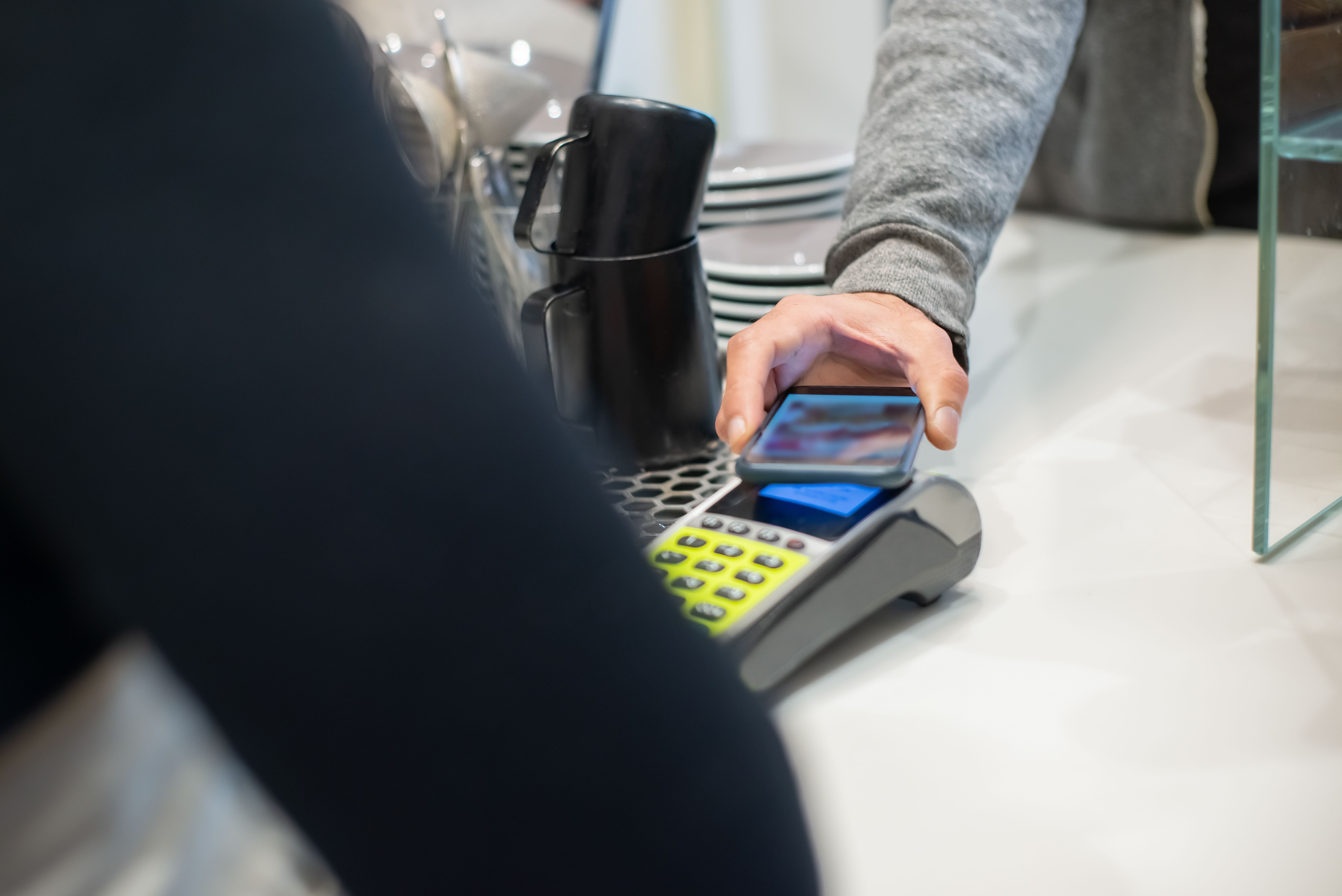
Not every player has a credit card, and in many markets the payment that actually works is the one already on the phone bill. Direct carrier billing adds a purchase to a mobile plan or deducts it from prepaid credit. A Mobile Ecosystem Forum whitepaper citing Juniper Research projects DCB transaction value rising from USD 51 billion in 2026 to more than USD 87 billion by 2030. The same paper describes how Tencent enabled PUBG Mobile top-ups through carrier billing in Türkiye and Egypt, then extended the option to Oman, Qatar and Morocco so players could buy without a credit card.
Card payments are changing too. Visa’s gaming payment guide describes how faster funding and real-time payouts are becoming expected features, quoting one operator who put it simply: people want their deposit reflected in their account at the same moment they make it. Treat that guide as a vendor’s view, but the operator’s experience matches what the survey data shows about impatience at checkout. You can read the full Visa gaming payment guide for the details.
Security has become part of the product
The same survey that shows checkout friction also shows a trust problem. Paysafe found that security and fraud protection is the top factor for 36% of gamers choosing a payment method, and 65% say fear of fraud or scams sometimes makes them hesitate before buying. Visa says its Payment Passkeys and Token Service have reduced fraud rates by 58% and lifted authorization rates by 2.5%. That is a vendor claim, but it gives studios a concrete benchmark for what their stack should deliver.
The opposing view deserves a fair hearing. Many publishers argue that the 15 to 30% fees charged by app stores are the real problem, and that moving sales to their own web stores is worth the extra work. Visa’s own gaming payments paper notes that distributors can earn up to 30% commission per transaction, and that publishers must explain fees clearly to avoid cart abandonment. BCG reports that 33% of adult gamers and 40% of teens have already bought from a developer’s web store, and it adds that developers need to address security concerns to push that number higher. My read is that security is the bigger barrier. Studios that make fraud protection visible to players will win more of that shift than studios that simply undercut the app store on price.
Esports and the next payment battleground

Competitive gamers focused during an esports tournament.
Esports adds another layer. Entry fees, prize payouts and sponsor merchandise have to move money across borders, currencies and platforms, which is where older payment rails tend to struggle. Visa’s analysis of anonymized transaction data points to why card networks care about this audience. Video gamers made roughly twice as many online transactions as other cardholders across the markets studied, and in the UAE they spent 1.7 times more than regular consumers on online or digital purchases.
Where this goes next
The direction is clear even if the winners are not. Antom reports that the share of the world’s top 50 mobile games using a direct-to-consumer model has risen from 12% to 44% in five years. More studios are asking why they should give up 15 to 30% of every purchase to a store, and building their own payment flows is the obvious answer. Payment choice will decide who keeps that margin.
My prediction is that the next advantage will not come from adding another logo to the checkout page. It will come from fewer steps, clearer prices and a payment method that matches where the player actually is. Studios that make the purchase effortless without making it careless are the ones most likely to hold on to in-game spending over the next few years.